

Table of Contents
- Assess the Damage: Signs of Overprocessed Hair
- How to Repair Damaged Hair from Bleaching and Color Services
- Step 1: Stop the Damage and Reset the Routine
- Step 2: Build a Staged Recovery Plan with Treatments
- Best Products for Overprocessed Hair
- How Long Does It Take to Repair Damaged Hair?
- Prevent Relapse: Safer Chemical Services and Styling
- Frequently Asked Questions
Last Updated: October 20, 2026
Assess the Damage: Signs of Overprocessed Hair
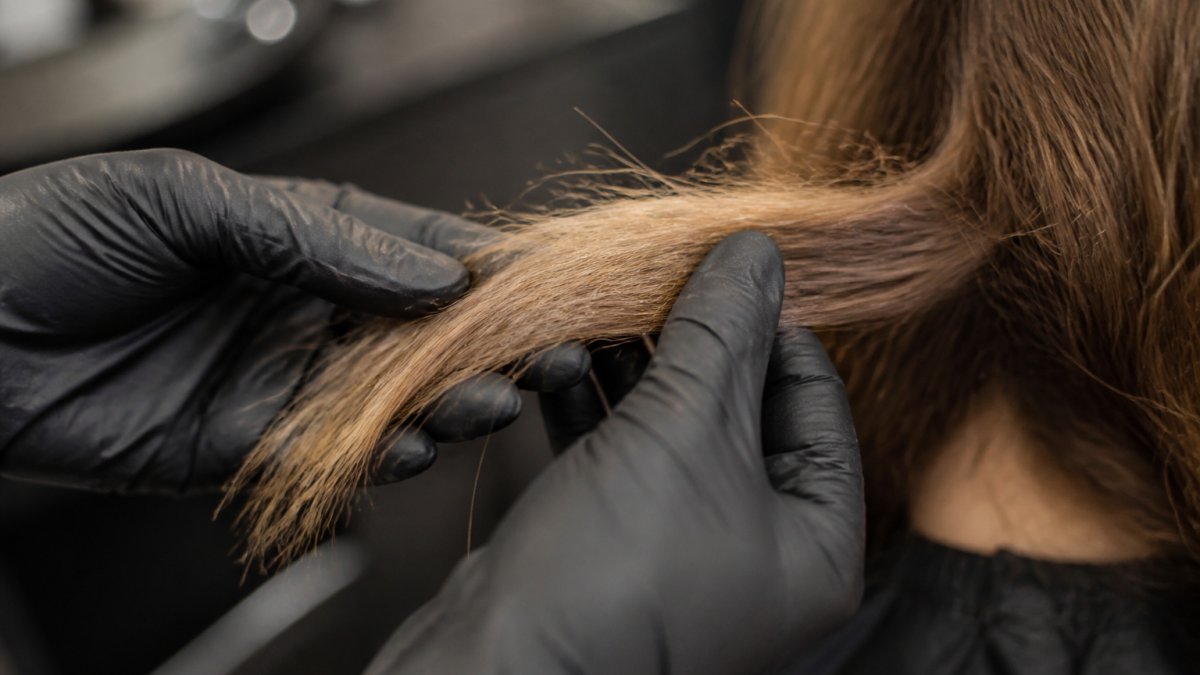
Over processed hair is hair that has lost too much of its internal structure through repeated chemical or heat services, leaving strands weak, rough, and prone to snapping. Below, we'll show you exactly how to fix over processed hair by starting with an honest damage assessment, because treating the wrong problem wastes weeks.
Look for these signs of overprocessed hair:
- Hair feels mushy or gummy when wet
- Strands stretch and snap instead of bouncing back
- Rough, dull surface with no shine
- Heavy tangling mid-shaft, not just at the ends
- Split ends climbing well above the tips
- Color that fades fast or grabs unevenly
A common mistake is mistaking dryness for damage. Dry hair responds to moisture. Damaged hair needs structure rebuilt first. But "damage" is not one thing, and the fix depends on which kind you have. Use the guide below to sort your symptoms before you buy another treatment.
Distinguish Dryness, Chemical Damage, Breakage, and Shedding
Most people lump every bad-hair day into "damage." In practice, four different problems show up with four different fixes:
- Dryness (reversible, surface-level): Hair feels rough and looks dull, but strands still stretch and return. It frizzes in humidity and drinks up conditioner. This is a moisture problem, not a structural one. Deep conditioning and sealing with a light oil usually turn it around in one to two weeks.
- Chemical damage (structural, cumulative): Hair feels gummy when wet, snaps with little tension, and tangles mid-shaft. This follows bleach, color, relaxers, or keratin services. The cuticle is lifted and the cortex is compromised. This is where protein and bond-building care matter, and where you must pause new chemical services.
- Breakage (mechanical, localized): Short broken pieces show up in the sink, on your pillow, or along the part. Breakage clusters where hair is weakest: the ends, the hairline, and any spot you twist, brush, or heat most. It is often caused by wet brushing, tight styles, or hot tools rather than chemicals alone.
- Shedding (from the root, not the shaft): Whole strands with a small white bulb at the end come out. Shedding is normal at roughly 50 to 100 strands a day, but a sudden increase can follow illness, stress, hormonal shifts, or a reaction to a chemical service. If shedding is heavy and persistent, it is a scalp or medical question, not a conditioning question.
A quick way to tell breakage from shedding: examine the strand. A broken strand has a blunt or frayed end and no bulb. A shed strand has the bulb and is full length.
The Wet-Strand Test and Porosity Check
The wet-strand test tells you how much strength is left. Wet one clean strand and stretch it gently.
- Snaps immediately: low elasticity, high damage
- Stretches and returns: healthy elasticity
- Stretches and stays limp: needs protein, not more moisture
For porosity, drop a clean hair strand in a glass of water. If it sinks fast, the cuticle is wide open and porous. If it floats, the cuticle is tight. Porous hair absorbs treatments quickly but loses moisture just as fast. The American Academy of Dermatology hair care guidance notes that chemical treatments are a leading cause of structural hair damage, which is why assessment comes before any product.
How to Repair Damaged Hair from Bleaching and Color Services
Repairing bleach damage means rebuilding the hair shaft while protecting new growth, not chasing a quick cosmetic fix. How to repair damaged hair from bleaching comes down to two levers: protein to rebuild broken bonds and moisture to keep strands flexible. Get the ratio wrong and you create a new problem.
Balance Protein and Moisture Before You Treat
Protein and moisture must be balanced. Too much protein makes hair stiff and brittle. Too much moisture leaves it limp and stretchy.
- Stretchy, gummy hair: add protein
- Stiff, straw-like hair: add moisture
- Both? Alternate treatments weekly
Step 1: Stop the Damage and Reset the Routine
Before any repair, stop what is causing the damage. This step is non-negotiable.
- Pause all bleach, color, and relaxer services for now
- Swap to a gentle, sulfate-free shampoo
- Cut heat styling to zero for two weeks
- Book a trim to remove split ends
- Wash less often, two to three times a week
Switch to a wide-tooth comb on wet hair. Never brush wet strands. Pat dry with a cotton tee instead of a rough towel. These small changes cut breakage fast.
A common mistake is adding more treatments while still heat styling daily. You cannot repair hair you keep damaging. Stop first, then treat.
Step 2: Build a Staged Recovery Plan with Treatments
A staged plan beats random product hopping. Here is the schedule we recommend:
| Week | Focus | Treatment | Frequency |
|---|---|---|---|
| 1-2 | Stop damage | Gentle cleanse, trim, no heat | Daily care |
| 3-4 | Rebuild strength | Protein reconstructor | Once weekly |
| 5-6 | Restore moisture | Deep conditioning mask | Twice weekly |
| 7-8 | Maintain balance | Alternate protein and moisture | Weekly |
| 9+ | Protect new growth | Nourishing mask, trims every 8-10 weeks | As needed |
Apply treatments from mid-lengths to ends, not the scalp. Leave protein treatments on for the time stated on the label, then rinse with cool water to seal the cuticle. For damaged, chemically treated hair, a professional-grade reconstructor like the Sarah K Treatment Reconstructor works deep into the cortex to restore elasticity and reduce breakage. Pair it with the SK Enjoy Reconstruction Mask, built with Brazilian Keratin and Collagen, to smooth the cuticle and bring back shine.
Sarah K SOS Recovery Treatment 1000ml →

Best Products for Overprocessed Hair
The best products for overprocessed hair rebuild strength and lock in moisture without weighing strands down. Look for protein and keratin for structure, plus oils and humectants for softness. Avoid heavy silicones that mask damage instead of fixing it.
What we recommend from our own shelves:
- Sarah K Treatment Reconstructor (1L): intensive protein rebuild for over-processed hair, restores elasticity and seals the cuticle.
- SK Enjoy Reconstruction Mask: keratin and collagen mask for color-treated and heat-styled hair, smooths frizz and adds gloss.
- Sarah K SOS Recovery Treatment (1000ml): plant-based collagen with a balanced pH of 4.5 to 5.5, targets breakage and split ends.
- Sarah K My Style Nourishing Mask: grape seed oil, aloe vera, and keratin for deep hydration, color-safe and suited to all hair types.
Use a nourishing mask one to two times a week, and a reconstructor once a week while damage is fresh. This is where quality products matter, and we hand-select every item we stock for salon-grade results.

How Long Does It Take to Repair Damaged Hair?
How long does it take to repair damaged hair depends on severity, but most people see real improvement in four to eight weeks of consistent care. Full recovery of badly over-bleached hair can take several months, and some damage cannot be reversed at all.
Here is the honest truth most guides skip: hair is dead tissue. You cannot heal it the way you heal skin. You can only strengthen what remains and grow out the rest.
- Mild damage: visible improvement in two to four weeks
- Moderate damage: four to eight weeks of staged care
- Severe damage: months, plus regular trims
- New growth: roughly half an inch per month for most people
Prevent Relapse: Safer Chemical Services and Styling
Prevention protects every hour you spend repairing. Space chemical services at least four to six weeks apart, and longer after bleach. Tell your colorist about past damage so they can adjust strength and timing.
Safer habits to lock in:
- Use a heat protectant every time you style
- Keep hot tools on medium heat
- Deep condition weekly between services
- Trim every eight to ten weeks
- Do a patch strand test before any new color or relaxer
For stylists and salon owners, safer service planning starts with reliable supplies. Consistent, professional-grade products make it easier to protect clients during corrective color work. The U.S. Food and Drug Administration on cosmetics and hair products offers consumer guidance on hair dye safety, and the Occupational Safety and Health Administration standards for salon chemicals covers safe handling in the salon.
If hair is falling out in patches, the scalp is irritated, or breakage will not slow after weeks of care, see a dermatologist. Some hair loss has medical causes that no mask can fix.
Frequently Asked Questions
Can overprocessed hair be cured?
Overprocessed hair cannot be fully cured because the hair shaft is dead tissue and broken bonds do not regenerate on their own. What you can do is rebuild strength and smooth the cuticle enough to prevent further breakage while new growth comes in. A staged plan of protein reconstruction, deep conditioning, and frequent trims keeps the existing hair manageable.
What does overprocessed hair look like?
Overprocessed hair typically looks dull, feels rough, and tangles easily even after conditioning. You may see split ends, mid-shaft breakage, and frizz that will not smooth down. Wet hair often feels mushy or stretches instead of snapping back. Color may look faded or uneven, and the ends can appear lighter than the rest. These are the classic signs of overprocessed hair, and they usually get worse with heat styling or another chemical service.
Should you cut off overprocessed hair?
You do not have to cut everything off at once, but trimming the most damaged ends is usually necessary. Split ends travel up the hair shaft and cause more breakage, so a trim every 6 to 8 weeks keeps the damage from spreading. If the hair is mushy when wet or breaks mid-shaft, a larger cut may be the fastest route to healthy hair. Stylists often remove damage gradually while treatments rebuild the rest.
What treatments help overprocessed hair after bleaching?
After bleaching, the priority is rebuilding protein bonds and restoring moisture. A protein reconstructor used every 2 to 3 weeks strengthens the cortex, while a deep conditioning mask used weekly smooths the cuticle and reduces tangling. Alternate the two so you do not overload the hair with protein. Professional reconstruction masks with keratin and collagen, like the SK Enjoy Reconstruction Mask, are built for this kind of corrective work and give more predictable results than generic conditioners.
Overprocessed hair is frustrating, but it is manageable with the right plan. Stop the damage, assess honestly, and rebuild with balanced protein and moisture. At V Colins Supply LLC, we stock professional-grade reconstruction masks, treatments, and salon supplies trusted by stylists and salon owners. Shop now to give every client stronger, healthier hair.